

Hey there! I’ve been in the knitting machine game for over a decade, and let me tell you—one of the most common questions I get from new knitters (and even some seasoned ones) is: Can a knitting machine make flannel-like fabric? I’ve heard it all: “I thought flannel was only for hand-knitting with worsted weight yarn!” “Machine-knit fabric is too tight and structured for that soft, cozy flannel feel!” Let me break this down for you, no fancy jargon, just real talk from someone who’s sold and troubleshooted these machines for years.
First, let’s get on the same page about what makes flannel flannel. Real flannel is traditionally a soft, napped fabric, usually made from cotton, wool, or a blend. The nap—those fuzzy little fibers you feel when you run your hand over it—comes from brushing the fabric surface to lift loose fibers. But here’s the thing: the base structure of flannel isn’t some secret hand-knit stitch. It’s usually a plain weave or a basic knit structure, but the softness comes from the yarn and that post-processing step, not the knitting method. So, if a machine can knit the right base fabric, you can turn it into flannel. That’s where most people get stuck—they think the machine has to do the napping, but nope, it’s all about the yarn and what you do after it comes off the bed.
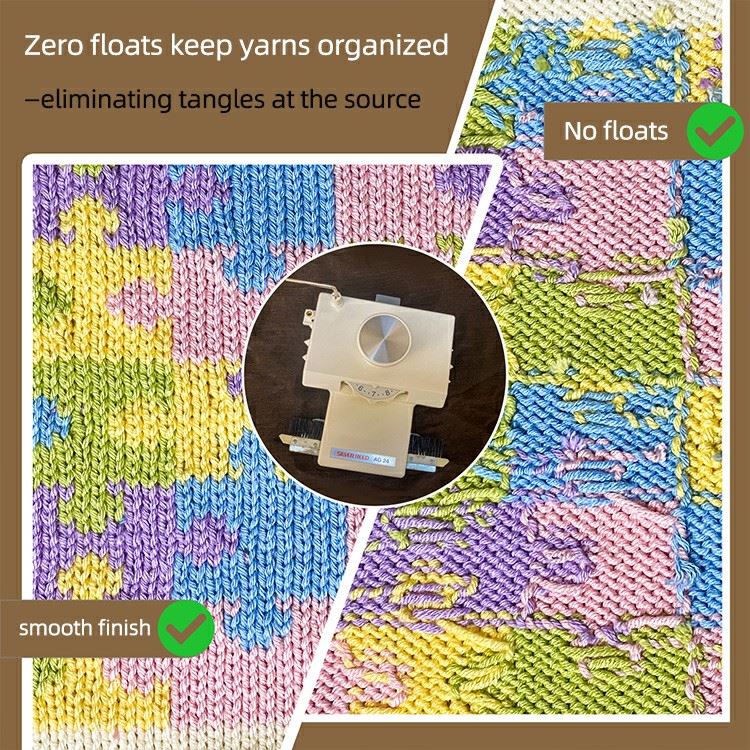
Now, not all knitting machines are created equal. If you’ve got a tiny, plastic hand-crank with 10 pins, you’re probably not going to get a smooth, even fabric that’s ready for napping. But if you’ve got a mid-range or entry-level electronic punchcard machine, you’re in business. Let’s talk about the machines I sell, because that’s what I know best. For starters, the Silver Reed SK280 is a total workhorse for this. Wait, let’s be specific—you don’t just grab the basic SK280. If you want that soft, flexible base, I always recommend pairing it with the Silver Reed SK280 Lace Set with LC2? No, wait, hold on—lace might sound too open, but the LC2 carriage lets you adjust stitch tension super precisely. Tension is everything here. If your stitches are too tight, the fabric won’t drape right, and napping will be a nightmare. The SK280’s punchcard system is easy to tweak, so you can dial in the right loose-but-even tension for a fabric that’s not stiff. For added flexibility, the Silver Reed SK280 Main Bed Ribber With aG24 is a game-changer if you want to make flannel that’s got a little stretch—like for pajama bottoms or baby blankets. Ribbing adds that snug edge, but the main bed can do a stockinette stitch base that’s perfect for napping.

Wait, what about hand-crank machines? I get that not everyone wants to drop a few hundred on an electronic machine. If you’re a beginner or just want something small for projects like swatches or small flannel squares (like for a quilt), hand-crank machines work too. Let’s go over the ones I recommend for this. The 44 Pin Circular Hand Crank Knitting Machine is great because circular knitting means no seams, and 44 pins give you a decent width for small projects. The key here is to use a lighter weight yarn—worsted weight is too thick for hand-cranks, so a DK or even sport weight cotton or wool blend works best. Then there’s the fun one: the 22 Pin Cartoon Penguin Hand Crank Knitting Machine. Yeah, it’s cute, but don’t sleep on it. It’s perfect for tiny flannel pieces, like appliqués or small coasters, and it’s super easy to use for beginners. If you want something bigger for larger flannel pieces, like a throw blanket, the 48 Pin Large Hand Crank Knitting Machine is the way to go. More pins mean a wider fabric, so you don’t have to sew multiple pieces together, which saves time and makes the final product smoother.
Now, let’s get to the actual process, because that’s where a lot of people mess up. First, pick the right yarn. You want something that has a little fiber “personality”—not super smooth, glossy satin yarn, because that won’t hold a nap. Look for cotton, wool, or a cotton-poly blend (poly adds durability, which is great for flannel). Avoid super bulky yarn, because that makes stitches too loose and inconsistent, which leads to uneven napping. DK to worsted weight is perfect—adjust based on your machine, obviously. For the SK280, worsted works great, but for the hand-cranks, stick to DK.
Next, the stitch pattern. Like I said earlier, a simple stockinette stitch (or even garter stitch) is best. Complex patterns with lots of cables or lace will create tight, uneven areas that won’t nap evenly. Stick to basic punchcard patterns if you’re using an electronic machine—most of the SK280’s punchcards have plain stockinette as an option, so that’s easy. For hand-cranks, circular or flat stockinette is straightforward; don’t overcomplicate it.
Once you knit the fabric off the machine, that’s when the flannel magic happens. You can’t skip the brushing step. Grab a soft-bristled fabric brush (or even a slicker brush for pets—works great!) and gently brush the surface of the fabric in all directions. Don’t scrub hard, you don’t want to pull stitches. This lifts the loose fibers in the yarn and creates that fuzzy flannel texture. You can also put the fabric in the dryer on low heat with a dryer sheet for 10 minutes to help set the nap, but brushing is the key step. I’ve seen people skip this and think their machine didn’t work, but really, it’s all about post-processing.
Wait, let’s address some common mistakes I see. First, tension. If your machine’s tension is too tight, the fabric will be stiff, and you’ll pull fibers instead of lifting them when you brush. If it’s too loose, the stitches will gap, and the nap will be uneven. That’s why I always tell new users to do a swatch first. Knit a 4x4 inch swatch, wash it, dry it, then brush it. If it’s too stiff, loosen the tension dial; if it’s gaping, tighten it. It takes 5 minutes, saves you from ruining a whole ball of yarn. Another mistake is using the wrong needle size. Make sure your needles are clean and not bent—bent needles cause skipped stitches, which lead to holes or uneven fabric, which will not nap well. I always keep a spare needle on hand, especially for the hand-cranks, because they’re easy to bend if you crank too fast.
Is there any case where a knitting machine can’t make flannel? Well, if you’ve got a tiny 10-pin hand-crank, you’re limited to really small pieces, like a face cloth or a coaster, not a full blanket. But even then, you can make mini flannel pieces. If you use a machine that can’t handle a consistent stitch (like a cheap, plastic hand-crank that skips a lot), it’s going to be harder, not impossible. The key is using a machine with consistent tension control, which is why I recommend the Silver Reed line over no-name machines—they’re built to last and don’t skip stitches.
Let me share a quick success story. Last year, a customer came to me wanting to make flannel pajama pants for her kids. She was using the 48 Pin Large Hand Crank Knitting Machine I recommended. She picked a soft cotton-wool blend yarn, knit a straight stockinette piece, brushed it, and voilà—her kids’ pajamas were just as soft as store-bought flannel, and they lasted all winter. She ended up ordering another machine for her sister, so that’s the kind of results you can get.
Another thing to note: machine-knit flannel has a different feel than hand-knit, but that’s not a bad thing. It’s still soft, cozy, and durable, and it’s faster to make. If you’re selling flannel items, machine-knit is perfect because you can produce consistent pieces without spending hours on each one.
So, to circle back to the original question: Can a knitting machine make flannel-like fabric? Absolutely. The machine doesn’t create the nap—that’s you, with a brush and some patience—but it can knit the perfect base fabric. The right machine is key, though. Stick to mid-range or entry-level machines with adjustable tension: the Silver Reed SK280 lineup is great for projects that need a little stretch or wider width, and hand-cranks work perfect for smaller, beginner projects.
If you’re ready to dip your toes into making machine-knit flannel, or if you have questions about which machine is right for your project, I’m here to help. No pressure, just real advice from someone who’s been doing this for years. Reach out, and let’s chat about your knitting goals—whether you’re making a first swatch or a whole line of flannel goods, we can find the right machine for you.
References
- The Knitter’s Book of Machine Knitting: A Comprehensive Guide to Stitch Patterns and Finishing Techniques
- Textile Fibers and Fabric Properties: Understanding Flannel’s Structure and Softness
- Silver Reed SK280 Instruction Manual: Tension Adjustment and Stitch Setup Tips
- Hand-Crank Knitting Machine Basics: How to Achieve Consistent Stitches for Soft Fabrics